
Creative ESOL Research and Development
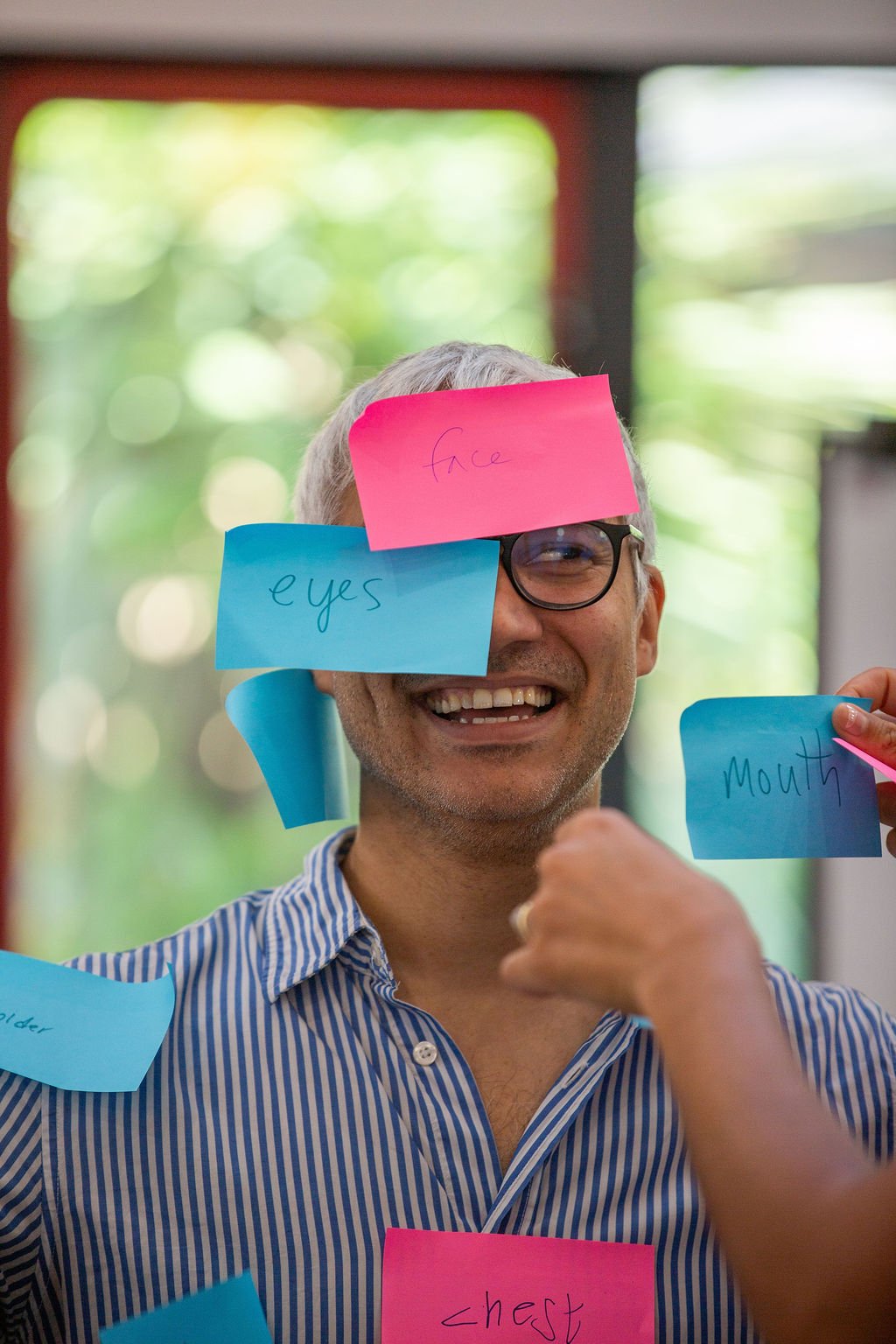
Kazzum Arts has delivered ESOL (English for Speakers of Other Languages) workshops for over 10 years in London, firstly at John Ruskin college, and more recently at Young Roots and CARAS. These sessions have adapted to varying contexts, from bustling open community groups to focussed classroom learning. In line with our trauma-informed cycle of co-production, all workshops include consultation with young people to ensure that they respond to their needs and interests and build essential language skills in ways that are useful, enjoyable and accessible.
Traditional ESOL learning aims to teach participants linguistic competency whilst building confidence and interpersonal skills. In Creative ESOL sessions language skills are developed via workshops that employ a variety of creative activities from painting to collage, to drama games, offering a unique way to learn. At Kazzum Arts Creative ESOL is delivered in the context of supporting young refugees and migrants to navigate their lives in the UK.
With the confirmation of the expansion of our current Creative ESOL project into a second community group setting, we decided to embark upon a research and development process to explore how our Creative ESOL offer could be improved, and how the 6 trauma-informed principles of care are upheld in this context. The 6 key principles of trauma-informed care developed by SAMHSA (Substance Abuse and Mental Health Services Administration) in the USA have been instrumental in the development of research and practical approaches which enable services to meet the needs of those impacted by trauma. These principles of safety, trustworthiness, empowerment, choice, collaboration and cultural awareness underpin all Kazzum’s work.
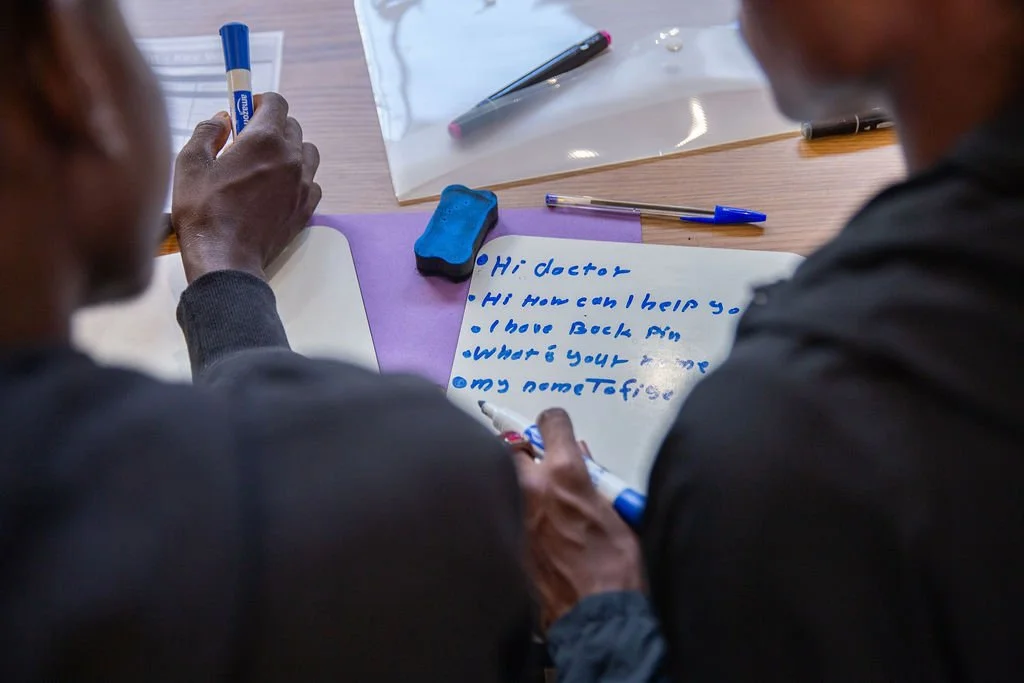
We invited members of the Kazzum core team, freelance facilitators currently working on Creative ESOL projects, and staff members from our partner organisations Young Roots and CARAS to collaborate on this research and development process. We delivered 3 sessions, each one leading on from the next, with key meetings scheduled along the way between core staff to unpick learnings from each session.
The learnings from this collaborative journey of research and development have been collated into a paper, published below. This paper outlines the aims and objectives, activity and outcomes, including a proposed Theory of Change and reflections on how this work could be built upon in the future.